
In 2006, I wrote a post called “Ray Jardine Is The Man.” I hadn’t read Beyond Backpacking, but I had read a profile of Ray and Jenny Jardine, and I liked what I saw: two people who had walked an enormous number of miles and concluded that backpackers could leave a lot of stuff at home.
Permission to carry less
Jardine gave people permission to carry less. The industry found a way to sell them less for more.
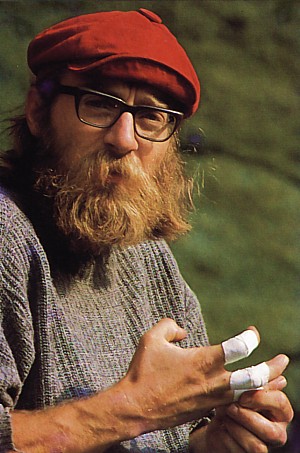
I especially liked Ray’s apparent lack of interest in becoming the patron saint of an ultralight gear market. His advice was practical, occasionally eccentric, and unlikely to improve anyone’s average order value. Sleep under a tarp. Walk in running shoes. Carry an umbrella. If you don’t need the lid on your pack, take it off.
How ultralight became a retail category
Twenty years later, ultralight backpacking is a mature retail category. You can replace a perfectly serviceable tent with a lighter tent, a lighter tent with a still lighter tent, and spend the evening calculating whether the stuff sack deserves a place in your base weight. Jardine gave people permission to carry less. The industry found a way to sell them less for more.
That is a little unfair to the gear. Some of it is excellent. It’s also hard to miss how far the conversation has drifted from the question Jardine was asking: What do I actually need to walk and camp comfortably here?
Tested over thousands of miles
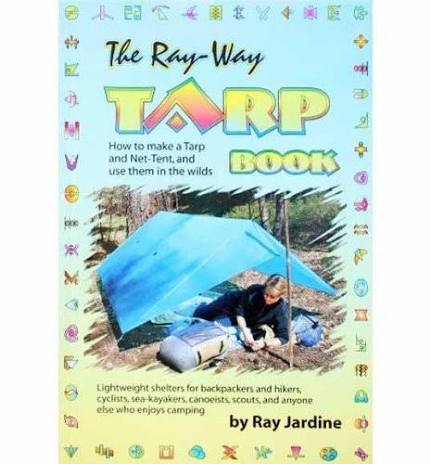
Ray and Jenny tested their answers over long distances, including three Pacific Crest Trail thru-hikes. Their approach worked as a system. A lighter shelter helped make a lighter pack possible. A lighter pack made running shoes more comfortable. They chose and used each piece of gear with the rest in mind. Buying one ultralight item and dropping it into a pack full of everything you’ve always carried misses much of the benefit.
The advice that sounded odd in 2006 sounds fairly ordinary now. Trail runners are common backpacking footwear. Tarps and quilts have plenty of converts. An umbrella still gets a few looks on the trail, but anyone who has climbed in warm rain while sweating inside a jacket can understand the appeal. None is a universal answer. A tarp takes practice and a suitable campsite. An umbrella is less useful in strong wind. Shoes need to fit your feet, route, and load.
You have to carry the pack. You get to decide what goes in it.
What the Ray Way still gets right
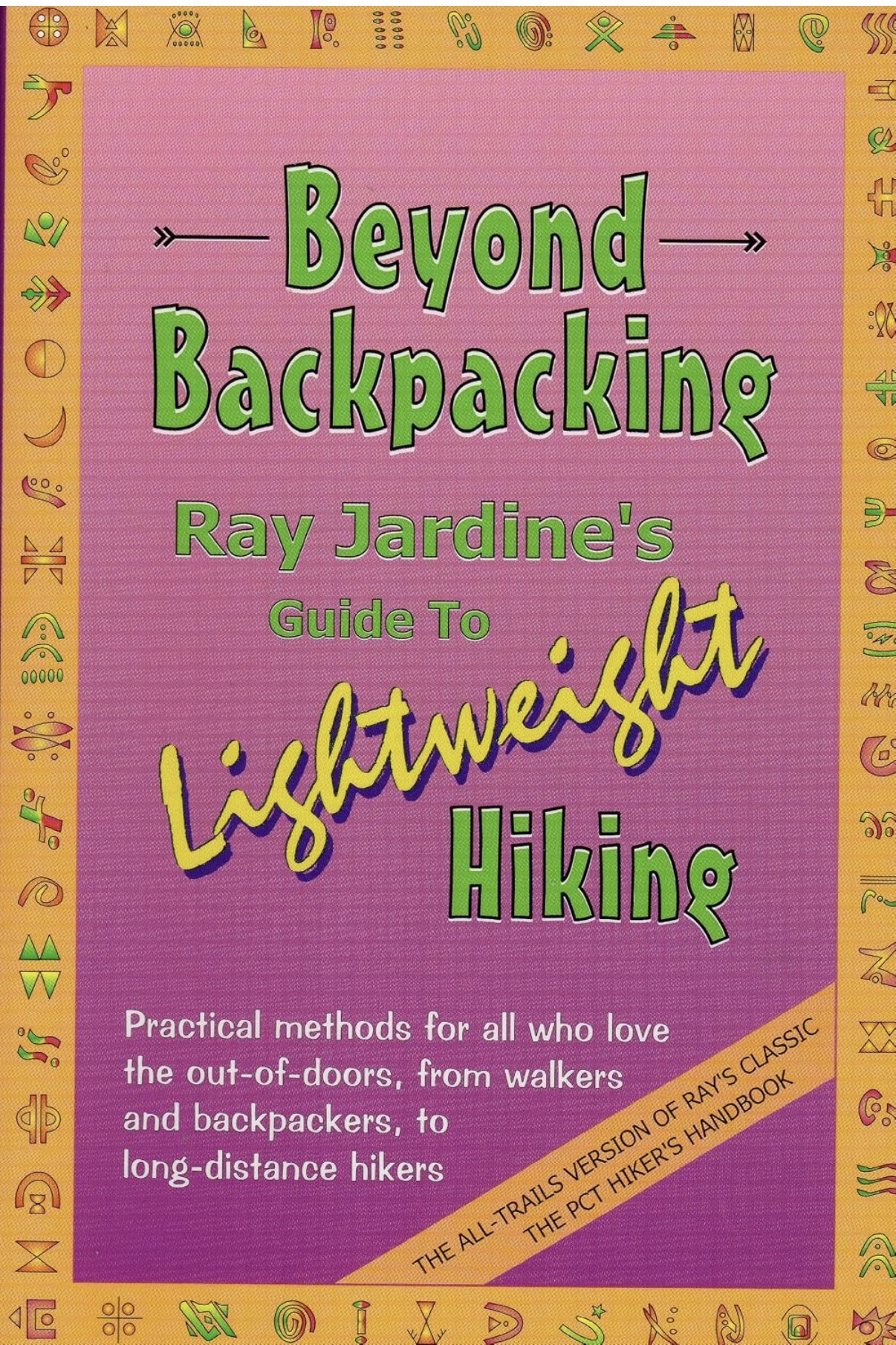
Jardine’s ongoing project makes his outlook clearer than any gear list. Ray and Jenny still offer kits for sewing your own packs, tarps, and quilts. You can make something, learn how it works, repair it, and adjust it after a trip. That is a more interesting kind of gear knowledge than memorizing the weight of every new shelter on the market.
Jardine’s ideas deserve to be tested, not just argued about. Try something on an overnight. See what it saves, what it complicates, and whether you enjoyed the trip more. Put the pack lid back on if you miss it. Keep the tent if you sleep better in it.
The part of the Ray Way I’d keep is the habit of making those decisions yourself. The trail doesn’t care about your base weight, and the people you meet at camp probably don’t either. You have to carry the pack. You get to decide what goes in it.
The Ray Way is less a packing list than a habit of deciding for yourself. If that appeals, read our take on the Dana Design packs that refuse to die and, for skill over gadgets, how to read a compass.

Recent Comments