
If you started backpacking in the 2000s, there’s a good chance something in your pack said GoLite on it. A frameless pack, a wind shirt, a silnylon tarp, maybe a chrome umbrella that got you odd looks at the trailhead. For about fifteen years GoLite was ultralight backpacking’s house brand. Then it was gone, and a lot of hikers still ask what happened to GoLite.
The short version is that the company that taught hikers to carry less grew by trying to sell more. The longer version runs from a rock climber’s homemade gear to 20 retail stores and a bankruptcy court.
The Jardine years
GoLite began with a borrowed philosophy.
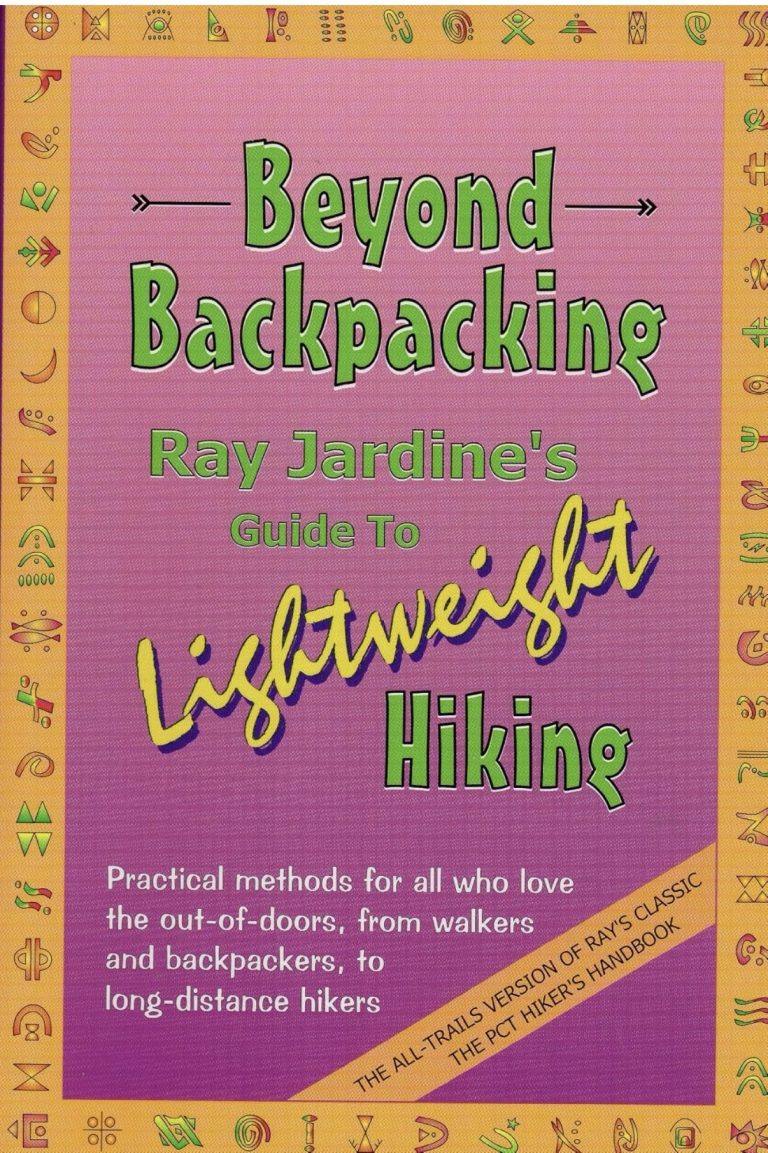
Ray Jardine, the climber who invented the spring-loaded camming device and later walked the Pacific Crest Trail with homemade kit, had spent the 1990s arguing that a lighter pack meant a better hike. According to co-founder Kim Coupounas, Jardine designed GoLite’s original 12 lightweight backpacking products in 1998, and the startup paid him a royalty in its early years.
That gave GoLite something most gear startups never get: a ready-made audience. Jardine’s readers already believed. GoLite gave them something to buy. (His side of the story is in our Ray Jardine piece.)
Boulder’s lightweight upstart
Through the 2000s GoLite was the brand thru-hikers pointed to. It made frameless packs, minimalist shelters and weather shells cut for people who counted ounces. The company won design awards and kept a big presence at Outdoor Retailer. Andrew Skurka, later one of the best-known long-distance hikers in the country, worked at GoLite seasonally from 2003 to 2007.
It also made the Chrome Dome, a trekking umbrella with a reflective silver top and a dark lining. It was an odd-looking thing and a surprisingly useful one, shade in the desert and a dry upper body in warm rain. The GoBlog was arguing about umbrellas as rain gear as early as 2005, and that post is coming back soon.
For a stretch GoLite even had its name on shoes. Footwear was a Timberland business, and Timberland shut the GoLite footwear line in April 2008.
The 2012 pivot
The trouble started with a change in how GoLite sold its gear. In 2012 the company stopped selling through outdoor shops and went direct to consumers. It opened its own stores, about 20 at the peak, most of them in Colorado.
- Proven designs from day one, courtesy of Ray Jardine.
- A clear identity: light gear for people who walk a long way.
- Prices thru-hikers could afford.
Most of it still works. Used GoLite packs and shelters change hands every week.
The stores were large and expensive to run. To fill them, GoLite added casual clothing, sweaters and corduroys among it, well outside what its customers came for. The lifestyle line didn’t sell. Inventory piled up, cash got tight, and the company financed the gap with debt.
Skurka later put his finger on a deeper problem: “One mistake of the original GoLite was changing their identity every year or two.” A brand built on doing one thing lightly had spent its last years trying to be several things at once.
What happened to GoLite in 2014
In October 2014 GoLite filed for Chapter 11 reorganization. It didn’t reorganize. The stores closed, the remaining stock sold off, and the company was liquidated.
For hikers the practical loss was the gear line itself. The packs and shelters that thru-hikers had relied on for a decade were suddenly out of production. The niche didn’t go empty for long. Cottage makers such as Gossamer Gear, Six Moon Designs and Zpacks were already building the same kind of kit.
What happened to the GoLite name
The name had a second life, just not the one old customers wanted.
In 2015 a Taiwan-based holding company, EGI, bought the GoLite trademark. It relaunched the website in May 2018 and a new line in 2019, built around what it called “Outletics”: athletic apparel with an outdoor lean, recycled fabrics and a sustainability program.
There were no packs, tents or ultralight shelters, and the founders weren’t involved. As Outside put it at the time, GoLite was back. Sort of.
What happened to the founders
Kim and Demetri Coupounas started over in Boulder with My Trail Co. They acquired GoLite’s technical patents, asked loyal customers to invest through one of the first equity crowdfunding rounds under the new federal rules, and opened a small store with a short list of products: packs, shelters, shells and base layers. Coupounas said they’d run it “lean and mean just like we pack our packs.”
Skurka described My Trail Co. as “a smarter and more deliberate GoLite.” Its lineup includes a chrome hiking umbrella, the same model sold by Gossamer Gear, Six Moon Designs and Zpacks. The umbrella outlived the company that popularized it.
Buying old GoLite gear today
GoLite gear still turns up on eBay, gear-swap forums and resale sites. A few things to check before you buy:
- Silnylon and coatings age. Pitch a used shelter and hose it down before a trip. Seams may need fresh sealer.
- Frameless packs depend on how you pack them. They carry well under about 25 pounds and badly above it, same as when they were new.
- Parts are gone. Buckles and stays are generic enough to replace, but nothing GoLite-specific is coming back.
Why GoLite still matters
GoLite made ultralight a category you could walk into a store and buy, and then it ran out of money trying to become something else. The ideas it carried to the mainstream (lighter packs, fewer layers, an umbrella instead of a heavier shell) are now standard. The company didn’t survive them.
Keep reading: Ray Jardine Was Right · Dana Design: the packs that refused to die · The GoBlog archive
Had a GoLite pack that outlasted the company? Tell us what it was at contact@getoutdoors.com. We’re collecting stories for a future piece.
Sources
- GoLite, Wikipedia
- Ray Jardine, Wikipedia
- 3 questions for Demetri Coupounas, founder of GoLite and My Trail Co., SNEWS
- GoLite, Thru-Hikers’ Favorite Brand, Is Back. Sorta., Outside
- GoLite to Relaunch in 2019, GearJunkie
- Timberland Sells GoLite to Former Exec, SGB
- My Trail Co. and SlingFin Among First to Use New Crowdfunding Law, SGB
- Backpacking umbrellas: pros, cons and recommendations, Andrew Skurka

Recent Comments