
We made this case on the blog about twenty years ago, back when the industry was busy convincing everyone that every problem needed its own branded solution. Two decades and a great deal of gear later, the argument has only gotten easier to win. The bandana is the rare piece of kit that has never been improved on, because it was never complicated enough to improve.
Here is what that one square of cloth does on a normal weekend outside.
On your body
Folded into a triangle and knotted at the back, it keeps the sun off your neck, and soaked at a creek it keeps the heat down on a hot climb.
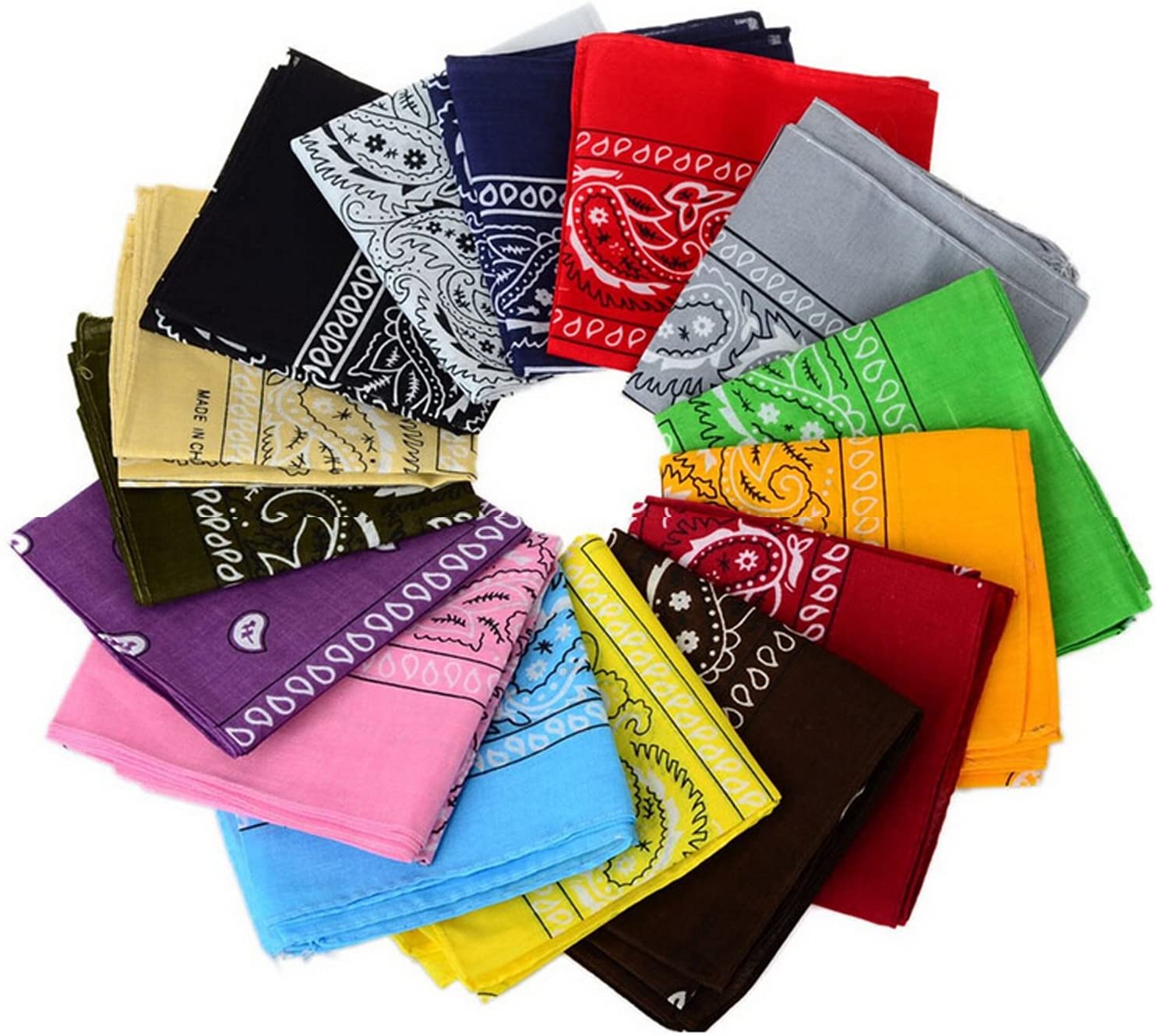
Rolled into a band, it holds sweat out of your eyes. Over your nose and mouth, it takes the edge off dust on a dry trail or a windy ridge. On a cold morning it slides under a hat as a thin extra layer. None of these are its official job, and it does all of them without complaint.
Around camp
It is a pot grab when the handle is too hot, a plate wiper, a towel for your hands and your camera lens, and a way to strain the floaty bits out of questionable water before that water goes through your real filter.
Worth saying plainly: a bandana is a pre-filter, not a purifier, so keep treating what you drink. Tie one to the outside of a pack and it dries as you walk.
When the S#!t Hits the Fan
This is where the humble square earns its keep for good. It becomes a bandage over a scrape, a sling for a hurt arm, a cold compress soaked in stream water for a rolled ankle, and a bright marker you can tie to a branch to flag a turn. A proper first-aid kit is better. A bandana is what you already have on your head when you need something now.
Beyond a bandage and a sling, that same square works as a splint tie for a rolled ankle, a bright signal flag against green timber, dry tinder to coax a fire, a pre-filter that strains the grit out of creek water, and a length of cord when you need to bind or lash something down. In a true bleeding emergency it can even be twisted into an improvised tourniquet, though that is a genuine last resort, not a party trick. A real first-aid kit still beats all of it. A bandana is simply what is already knotted around your neck when the seconds count.
Ten field-tested bandana uses, from a longtime backcountry writer.
A note on fabric
Cotton is the classic for a reason: it holds water, so it cools well and strains well. Synthetic versions dry faster and pack smaller, which is the trade if you want one mainly for sun and sweat. Carry two of different colors and you have both jobs covered for the price of a coffee.
Trends move through this sport at a remarkable clip. The bandana just keeps showing up in the photo, on someone’s neck, doing four things at once. Twenty years on, we will happily defend it for twenty more.
Next time you pack: throw in two cotton bandanas in different colors. They cost less than a coffee and quietly do more than most of the single-purpose gear that tried to replace them. For more underrated basics, see the related reading below.
Related reading
- Bandanas, The Underrated Backpacking Accessory
- The Best Backpacking and Camping Chair
- Ray Jardine Was Right. Ultralight Backpacking Missed the Point.

Recent Comments